
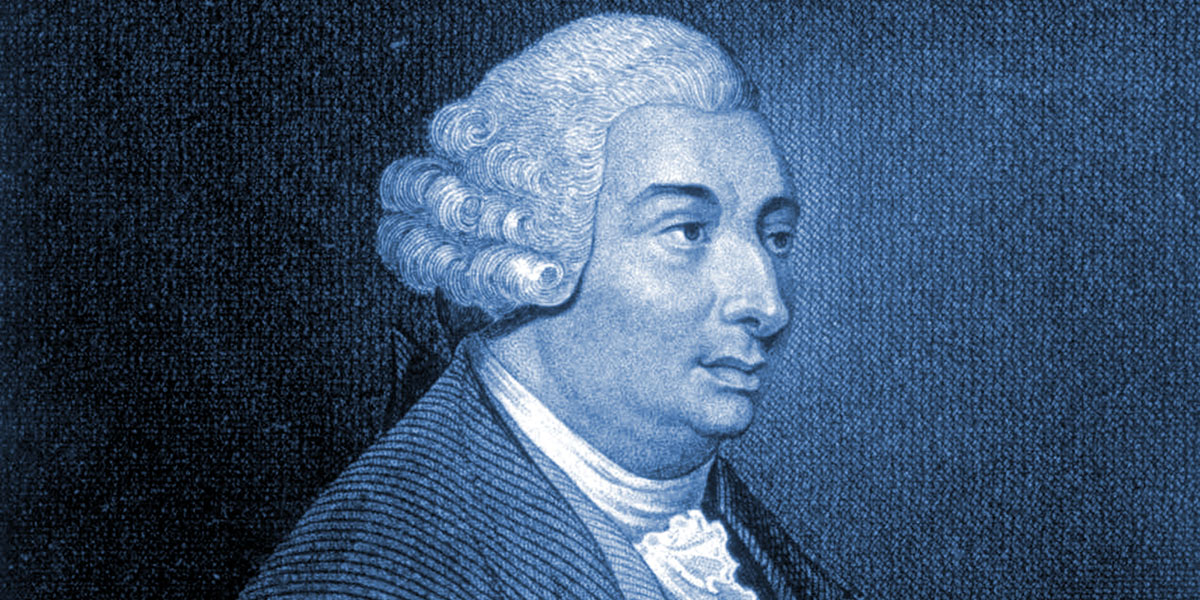
The irony of Scottish 'independence'
Across the street from the Scottish Parliament, on Calton Hill, is buried one of the greatest Brits who ever lived. David Hume was a pioneer of the Scottish Enlightenment – a philosophical movement which helped lay the foundations of classical liberalism, a way of thinking about society that would come to define the modern world.
Hume was born when the United Kingdom was in its infancy, just four years after the 1707 Acts of Union which brought Scotland and England under the governance of one parliament. Over the next three hundred years, these newly united islands would advance and defend the principles of classical liberalism imparted by Hume and his contemporaries, perhaps more than anywhere. But the Union is now on its knees. On Thursday, just over a million Scottish voters turned out to fill Holyrood with candidates from pro-independence parties in what they hope will validate a second independence referendum. At this critical time, David Hume’s ideas are as important as ever, highlighting the contradictions at the heart of the independence movement.