Commentary

A wounded and desperate party

A wounded and desperate party

A curious paradox is occurring within the SNP and the broader Separation movement. The more secession becomes impractical, and even prohibitively so, the more they are determined to talk about it. 

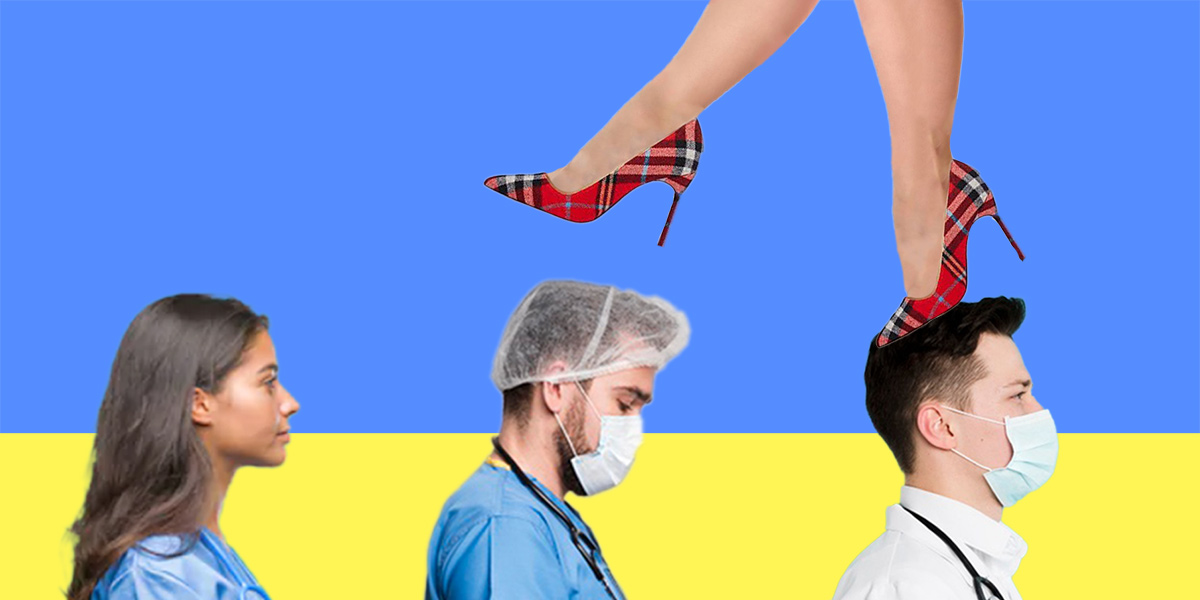
The SNP have failed to stop Brexit. Their alternative offers even more disruption. Their vaccination policy is lagging behind other parts of the UK, even though they claim the opposite. The COVID payouts they are responsible for have failed to materialise; the E.U. has rebutted their advances and their prized First Minister, their only person of note, is facing a civil war and a fight for her political existence.

The tide has turned

The tide has turned

Since the 2016 Brexit referendum, uncertainty and pessimism have been the SNP's strongest allies, allowing them to recover their electoral losses and encouraging them to stir up evermore grievance for their own advantage.

If they were really committed to European ideals and the common market, they would have supported Theresa May's failed deal. However, they thrive on uncertainty. They were willing to sacrifice the stability, prosperity and social well-being of Scotland, and the UK, in pursuit of that uncertainty.

From Russia, with love

From Russia, with love

For those who, unfortunately, spend their time trawling through the endless toxic abuse and conspiracy theories that make up secessionist Twitter, you may have, aside from the usual whataboutery and false comparisons, noticed a common retort to questions on how exactly a separated Scotland would establish its organs of state.

Many of these supposed “examples” reference the nations which were established after the collapse of the USSR between 1989 and 1992. A period of turmoil, economic collapse, uncertainty and even bloody warfare in many parts of the former union, the scars of which are still keenly felt in places such as Armenia, Azerbaijan or Tajikistan.  

If Separation is so great, why must you lie about it?

If Separation is so great, why must you lie about it?

I have met a few Scottish nationalists, certainly a minority, who acknowledge the upheaval, to put it lightly, that the first decades of Separation would inevitably bring. They acknowledge the financial, social and political risks, the defence issues, the global and local problems - and to them, it is still worth it.

They are willing to undergo all that may happen because they fundamentally believe their sacrifice is required for Scotland to break away from the United Kingdom. They do not hide away from the difficulties and do not attempt to conceal them, and in such, I have no problem with them. We are each entitled to our own opinions and beliefs, at least until Humza Yousaf’s hate speech law comes into force, and it is in no way my prerogative to deny them the expression of their honestly-held beliefs. 

Untrue faith

Untrue faith

Karl Marx famously stated that "religion is the opiate of the people", claiming that the ruling elite used religion to subdue the proletariat into accepting their place in society, in the mines and in the factories, by convincing them that God had ordained their lot in life. 

If they did not upset the social order, they, the meek, would inherit the Earth in the afterlife. If they resisted, they would be punished with eternal damnation for questioning the will of God. Countless suffered and died under this theocracy, waiting for a salvation that never came. 

Who wants Devolution?

Who wants Devolution?

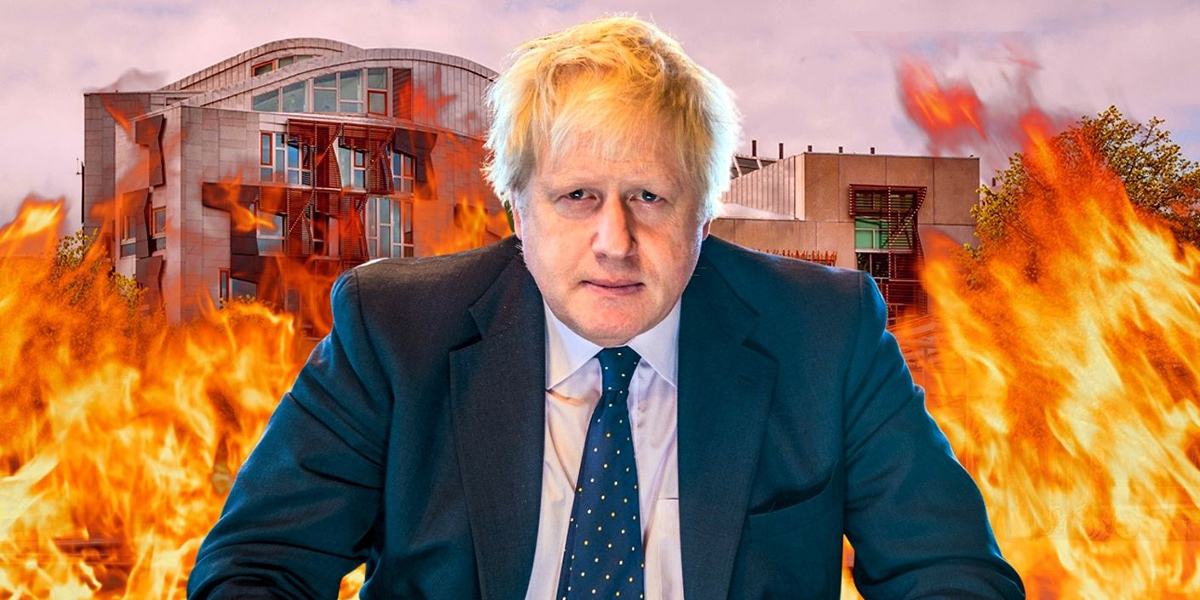
Whether you like, or even agree with, Boris Johnson or not, he has done us all a huge favour by igniting a discussion on whether Devolution is a 'disaster' or not.

In its 20th year, we are now in the ridiculous situation where the SNP, a party that never supported Devolution and wants to destroy it as soon as it can, is saying they support Devolution (they don’t), while Scottish Tories, who also never wanted Devolution, and who are appalled at the SNP takeover of the institution, are also saying they support it (they don’t). So who actually wants it?